

Hard water does not have to be a daily battle. From spotty glassware to hair that feels coated after a shower, mineral-heavy water quietly shapes how your home runs, and the right filter can change the picture fast. This roundup pulls together ten options worth your attention, from whole-house systems that treat every tap to compact pitchers that live in the fridge. You will find picks suited to renters, homeowners, well-water households, and small kitchens where space is tight.
A Quick View Of The Lineup

Sprite Showers HHC-4 Chlorgon Shower Filter Cartridge 4-Pack

Home Master Ultra Filter Change Set ISet-TMUL-MY12

Addlux Titanium Shower Water Filter for Hard Water
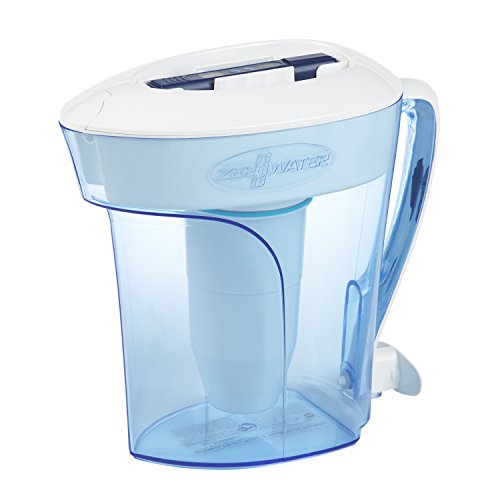
ZeroWater 10-Cup 5-Stage Pitcher Water Filter
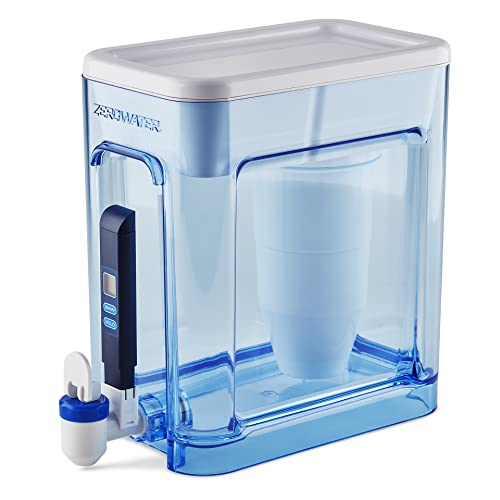
Culligan ZeroWater 22-Cup Ready-Read 5-Stage Dispenser
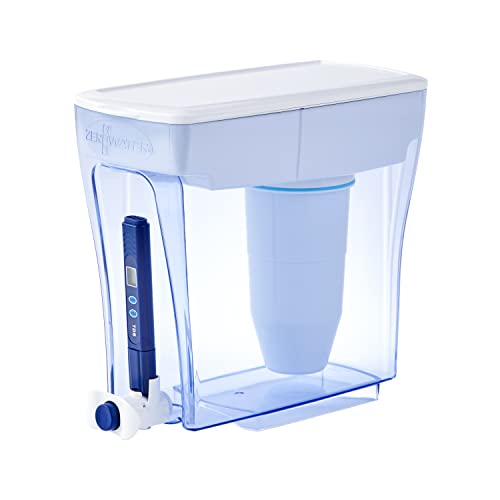
ZeroWater 20-Cup 5-Stage Water Filter Dispenser

PUREPLUS 2-Stage Whole House Filtration System 10×4.5

PUREPLUS 2-Stage Whole House Filter, Iron & Manganese

PUREPLUS 2-Stage Whole House Filter, PP & KDF Carbon

PUREPLUS 2-Stage Whole House Filter, Chlorine/Iron/Manganese
The Strengths Of Each Pick
The Sprite Showers HHC-4 cartridge set is aimed at the renter or shared-bathroom crowd that wants shower filtration without committing to a permanent fixture. Because it ships as a four-pack, you can rotate through a full year of replacements before needing another order, which removes one of the friction points that causes people to skip filter changes.
Designed to drop into Sprite’s existing filtered shower handle (sold separately), each Chlorgon cartridge is built for straightforward swap-outs. For anyone moving between rentals, or for a vacation property where you do not want to install plumbing, the cart-only approach keeps things portable.
What Stands Out
- Four-cartridge pack covers roughly a year of use at standard shower frequency
- NSF certification on the media for independent verification of claims
- No tools required when paired with Sprite’s handheld handle system
- Made in USA, which matters to shoppers wary of overseas cartridge sourcing
Things To Consider
- Cartridges only, so you still need the matching Sprite shower handle to use them
- Filter life tops out near 5,000 gallons, which heavy households may burn through faster
Who It Suits Best
Renters and apartment dwellers who already use a Sprite handheld setup and want a no-fuss year of replacement media.
Consider Something Else When
Homeowners looking for whole-house coverage should look at the PUREPLUS 2-Stage Whole House Filtration System 10×4.5 instead.
This is a genuine replacement-part listing, not a stand-alone filter, so its role on this list is narrower but valuable. The Home Master Ultra Filter Change Set ISet-TMUL-MY12 is built specifically for ULTRA systems manufactured in 2012 or later (or older units already upgraded). For the right owner, it is the only sensible filter set to buy.
The 5-micron sediment stage pairs with a KDF85 and catalytic carbon stage, both housed in inline fittings with quarter-inch push-in connections. The set is designed for a homeowner already familiar with under-sink plumbing, not a first-timer looking to install a new system.
The Value In It
- Three filters in one set covers a full replacement cycle
- Quarter-inch push-in fittings speed up the swap
- KDF85 media targets iron alongside sediment
- Catalytic carbon stage helps with chlorine and odor
Worth Noting
- Model-year-specific, so wrong-system purchases are easy to make
- Inline format assumes you can manage push-in fittings comfortably
Made For
Homeowners who already run a Home Master ULTRA under-sink system and want the correct factory-matched replacement cartridges.
Look Elsewhere When
Anyone shopping for a first-time install should start with the Addlux Titanium Shower Water Filter for Hard Water instead.
Shower filters usually live behind a plastic housing that ages poorly in steamy bathrooms. The Addlux Titanium model sidesteps that with a solid titanium body and a metal interior, which means it tolerates heat and daily handling better than most competitors. It comes in a chrome finish and ships with an extra cartridge so you are not scrambling at the six-month mark.
Where the Sprite cartridge-only approach needed a separate handle, this is a complete filtered showerhead. You can swap it onto a standard shower arm with basic tools, which keeps installation approachable for first-time shower filter shoppers.
Practical Advantages
- Titanium housing resists heat damage in steam-heavy bathrooms
- Metal core avoids the long-term brittleness common in plastic filters
- Bonus cartridge extends the time before you need a reorder
- High-pressure design preserves flow rate during use
Trade Offs
- Heavier than plastic-filtered heads, so older shower arms may need a check
- Cartridge changes require unscrewing the housing rather than a quick twist-off
- Chrome finish shows water spots if you skip wiping after use
Right Fit For
Households that shower hard and want a tougher showerhead-grade build over the disposability of plastic-core models.
Swap It Out When
Renters who cannot swap the existing showerhead should consider the Sprite Showers HHC-4 Chlorgon Shower Filter Cartridge 4-Pack route instead.
If the shower filters above handle where you wash and the whole-house units handle every tap, the ZeroWater 10-Cup pitcher covers the drinking-water side. It uses a 5-stage filter that aims to strip dissolved solids from tap water, which is what gives hard-water regions their slightly metallic edge in a glass of cold water.
The 10-cup size fits standard fridge doors and refills fast enough for one or two people. The Ready-Pour spigot lets you pour without lifting the pitcher off the shelf, which is a quiet quality-of-life win in a busy kitchen.
Everyday Wins
- 5-stage filtration targets dissolved solids, not just chlorine taste
- Compact 10-cup reservoir fits apartment fridges
- Ready-Pour spigot avoids the heavy-lift pour of traditional pitchers
- Third-party-tested for PFOA/PFAS reduction
Room For Improvement
- Small capacity means frequent refills for larger households
- Filters tend to clog sooner than basic carbon pitchers in very hard water
Best Suited To
Singles or couples in studio and one-bedroom homes who want filtered drinking water without a full install.
Reach For A Different Pick When
Bigger families that go through multiple pitchers a day should move up to the ZeroWater 20-Cup 5-Stage Water Filter Dispenser.
The headline feature on this dispenser is the integrated TDS meter (TDS stands for total dissolved solids, basically a read-out of how much mineral content sits in your water). Instead of guessing when the filter is spent, you watch the meter climb and swap the cartridge when it crosses the marked threshold. For households chasing hard-water reduction, that is a meaningful tool.
At 22 cups the reservoir covers a family-sized day’s worth of drinking and cooking water without constant refills. The dispenser form factor also frees up counter space compared to a traditional pitcher, since you pour from a spigot rather than lifting it.
Points In Its Favor
- Onboard TDS meter gives real read-outs instead of calendar-based guesses
- 22-cup capacity handles family-size demand
- 5-stage filter certified for lead, chromium, and PFOA/PFOS reduction
- Spigot design saves fridge-door space over traditional pitchers
Honest Caveats
- Larger footprint than a 10-cup pitcher, so tight fridges may struggle
- Replacement filters cost more than basic carbon pitcher cartridges
Who Should Grab It
Families who want to track filter life by data rather than dates and need a higher-capacity dispenser for daily cooking and drinking.
A Better Fit Elsewhere
Solo drinkers in tight kitchens will find the ZeroWater 10-Cup 5-Stage Pitcher Water Filter a more practical size.
Where the 22-cup model leads with a TDS read-out, this 20-cup ZeroWater dispenser is the simpler sibling. It uses the same 5-stage filter media and Ready-Pour technology that lets you serve water while the reservoir keeps filtering, which is useful when a household drains a pitcher faster than the filter can refill it the old way.
The 20-cup size lands in a sweet spot for families who want a sizeable dispenser without the added cost of the metered display.
Features That Help
- Ready-Pour spout dispenses water before the entire reservoir finishes filtering
- 20-cup capacity covers a family’s drinking and cooking needs
- 5-stage filter targets dissolved solids common in hard-water regions
- Certified to reduce lead, PFOA, and PFOS alongside chlorine
Small Caveats
- No TDS meter, so filter replacement timing is estimate-based
- Filter life can shorten quickly in very hard municipal supplies
Whose Shelf It Belongs On
Multi-person households that want a sizeable filtered-water dispenser without paying extra for a read-out display.
Not Your Match When
Shoppers who prefer data-driven filter replacement should pick the Culligan ZeroWater 22-Cup Ready-Read 5-Stage Dispenser instead.
This is the first whole-house option on the list, and it earns its place by tackling the actual point-of-entry problem. The PUREPLUS 2-Stage system installs on the main water line so every tap, toilet, and appliance in the home runs through it. The 10-inch by 4.5-inch housings are a standard size, which keeps future cartridge replacements easy to source.
The first stage is a grooved PP (polypropylene) sediment filter, and the second is a KDF (kinetic degradation fluxion) carbon filter, which together target chlorine, odor, rust, and heavy metals. Pressure gauges on top of each housing help track when cartridges are due for a swap, which removes guesswork.
What Earns Its Place
- Treats every tap in the home from a single install point
- Pressure gauges signal cartridge change timing at a glance
- Grooved sediment layer captures particles before the carbon stage, extending media life
- 1-inch inlet and outlet handles typical residential flow rates
- Standard 10×4.5 housing fits common replacement cartridges
Things To Weigh
- Requires basic plumbing skills or a pro install for the main line
- Takes up utility-room space compared to under-sink options
- Won’t reduce hardness minerals without an additional softening stage
Perfect Match For
Homeowners on municipal water who want every fixture in the house running through filtration, not just the kitchen tap.
Look Elsewhere When
Apartment dwellers without access to the main line should default to the ZeroWater 20-Cup 5-Stage Water Filter Dispenser for the drinking side.
The clear-housing version of the PUREPLUS system is aimed at a specific problem most city dwellers never see but plenty of well-water households do. Iron and manganese stain fixtures, leave marks in laundry, and build up in toilet tanks. This system targets both with a sediment/carbon first stage and a dedicated iron-and-manganese second stage.
Clear housings let you see the filter cartridges darken as they collect sediment, so you swap on visible evidence rather than calendar guesses. For a homeowner tired of orange streaks in the sink, that visual feedback is genuinely useful.
Real Benefits
- Second-stage filter targets iron and manganese that stain fixtures
- Clear housings make filter-loading status easy to monitor at a glance
- First stage is independently certified for chlorine and sediment reduction
- Same 10×4.5 form factor as the standard PUREPLUS system
Practical Considerations
- Iron-reduction cartridges can foul faster in very high-iron wells, requiring more frequent swaps
- Still requires main-line plumbing access, unlike a pitcher or shower filter
Built With In Mind
Well-water households fighting orange or black staining on plumbing fixtures, laundry, and appliances.
Where A Sibling Pick Shines
City-water homes without iron issues should default to the PUREPLUS 2-Stage Whole House Filtration System 10×4.5 for broader sediment and chlorine reduction.
This is the straightforward sediment-plus-carbon configuration in the PUREPLUS whole-house line, and for many homeowners it is the right level of filtration. A 5-micron PP sediment filter handles rust, sand, and silt, then a KDF carbon block polishes chlorine taste and odor before the water splits off to every fixture.
It is the cleanest entry point in the PUREPLUS line for someone who wants whole-house coverage but does not need the iron-reduction stage or the gauge-equipped housing.
Noteworthy Benefits
- PP sediment filter is independently certified to NSF/ANSI 42 for material safety
- KDF carbon block targets chlorine and metallic tastes common in hard water
- Two-stage setup keeps cartridge swaps simpler than three-stage systems
- Standard 10×4.5 housing keeps replacement cartridges affordable and easy to find
Things To Weigh Up
- Not designed for iron or manganese removal, so well-water homes with staining should step up
- Main-line install means calling a plumber if you are not comfortable with pipe work
The Right Fit
City-water homeowners who want basic whole-house sediment and chlorine reduction without specialized iron stages.
Skip It When
Well-water users dealing with staining should reach for the PUREPLUS 2-Stage Whole House Filter, Iron & Manganese instead.
The last whole-house option on the list is the most multi-issue, which is exactly what well-water households with overlapping problems need. It combines a sediment and carbon first stage with a second stage that focuses on iron and manganese reduction, covering three problems in one install.
For homeowners tired of juggling separate filters for chlorine taste and rusty fixtures, this consolidates the setup into a single 10×4.5 footprint.
Everyday Perks
- Targets chlorine, iron, and manganese from a single install
- Sediment stage captures rust and silt before the iron-reduction stage
- 10×4.5 housing uses widely available replacement cartridges
- Compatible with the PUREPLUS dual-cartridge refill sets for ongoing maintenance
Where It Is Less Suited
- Filter life depends heavily on incoming iron levels, so heavy wells may swap cartridges often
- Main-line install adds complexity for renters or non-DIY homeowners
Who Will Love This
Well-water homeowners dealing with chlorine smell, iron staining, and manganese marks in one combined whole-house setup.
Consider Something Else When
Renters or apartment dwellers who cannot touch the main line should pick the ZeroWater 10-Cup 5-Stage Pitcher Water Filter for drinking-side filtration.
What To Weigh Before Picking A Hard Water Filter
The right filter starts with where you need the water treated, not the spec sheet. Whole-house systems like the PUREPLUS line cover every tap and appliance but require plumbing access at the point of entry. Pitchers and dispensers from ZeroWater and Culligan serve drinking and cooking only, but they install in seconds and roll easily between homes. Shower-focused filters from Sprite and Addlux target the spot where hard water hits skin and hair the most, without touching the rest of the plumbing.
Match the filter to the contaminant. Chlorine and sediment are easy problems that any of the units above handle, but iron and manganese need a dedicated second stage. Hardness minerals like calcium and magnesium are what define “hard water,” and most of these filters address them indirectly through sediment and carbon stages rather than true softening. Well-water households with orange staining need the iron-specific PUREPLUS options over a general-purpose setup.
Cartridge cost and replacement cadence matter in the long run. A multi-pack of cartridges like the Sprite HHC-4 covers a year of use, while a single 5-stage pitcher filter can clog faster in very hard municipal supplies. Whole-house sediment cartridges tend to last longer because they capture less per gallon, but they still need annual swaps. Confirm replacement cartridges are easy to source before committing.
Capacity should match the household, not the spec sheet. A 10-cup pitcher works for one or two people; a 20- or 22-cup dispenser better fits a family that drinks and cooks with filtered water daily. Whole-house systems handle flow rate naturally since they treat water as it enters the plumbing, so capacity is rarely an issue there.
Where Shoppers Slip Up And Where The Extra Money Goes
Mistakes Worth Dodging
Choosing a pitcher for iron-heavy well water is one of the easiest missteps. Pitcher cartridges handle dissolved solids and chlorine taste but rarely address the iron and manganese that actually stain laundry and fixtures. A whole-house system with a dedicated iron stage is the better match for that problem. Another common slip is buying a filtered replacement cartridge for the wrong system, which is exactly what the Home Master ISet-TMUL-MY12 listing solves. Match model years before clicking.
The Case For Spending Up
Higher-tier whole-house systems earn their cost through what they add. Pressure gauges signal cartridge change timing without guesswork. Clear housings give visual feedback when sediment is building. A dedicated iron-and-manganese stage handles problems a basic sediment-and-carbon unit cannot. For homeowners who plan to stay put and want one install to cover multiple issues, the upgrade is usually worth it. Renters and small households, on the other hand, often get more value from a well-matched pitcher or shower filter than from spending up on whole-house hardware they cannot install.
Frequently Asked Questions
Do home water filters actually soften hard water?
Most filters on this list reduce sediment, chlorine, and certain contaminants, but they do not remove hardness minerals the way a true salt-based softener does. Whole-house systems with KDF and carbon stages improve taste and feel, while pitchers and shower filters handle the side effects that come with hard water.
How often do cartridges need to be changed?
It depends on usage and incoming water quality. Shower cartridges typically last three months or several thousand gallons, while pitcher filters often need replacing every few weeks in very hard water. Whole-house sediment and carbon cartridges usually run on an annual cadence, though iron-heavy wells can shorten that.
Are whole-house filters hard to install?
The PUREPLUS 2-Stage systems install on the main water line and use 1-inch inlet and outlet fittings. Handy homeowners can handle them with basic plumbing skills, but renters or anyone uncomfortable with pipe work should call a plumber or stick with pitcher and shower options.
Can I use a shower filter and a pitcher together?
Yes, and many hard-water households do exactly that. The shower filter improves what hits skin and hair, while the pitcher or dispenser handles drinking and cooking water. They target different parts of daily use without overlap.
What is the difference between sediment and carbon stages?
Sediment stages are physical filters that catch rust, sand, and silt based on particle size, measured in microns. Carbon stages use activated carbon or KDF media to adsorb chlorine, odors, and certain chemical contaminants. Most whole-house systems use both in sequence, with sediment first to protect the carbon stage from clogging.
The Takeaway
Hard water touches everything from your shower glass to your morning coffee, and the fix does not have to be a single giant system. A well-matched combination, like a whole-house PUREPLUS unit paired with a shower filter or a hard-working ZeroWater pitcher on the counter, often handles the problem more completely than one oversized purchase. Start with the water you actually use every day, and let that guide where the next filter belongs.




